
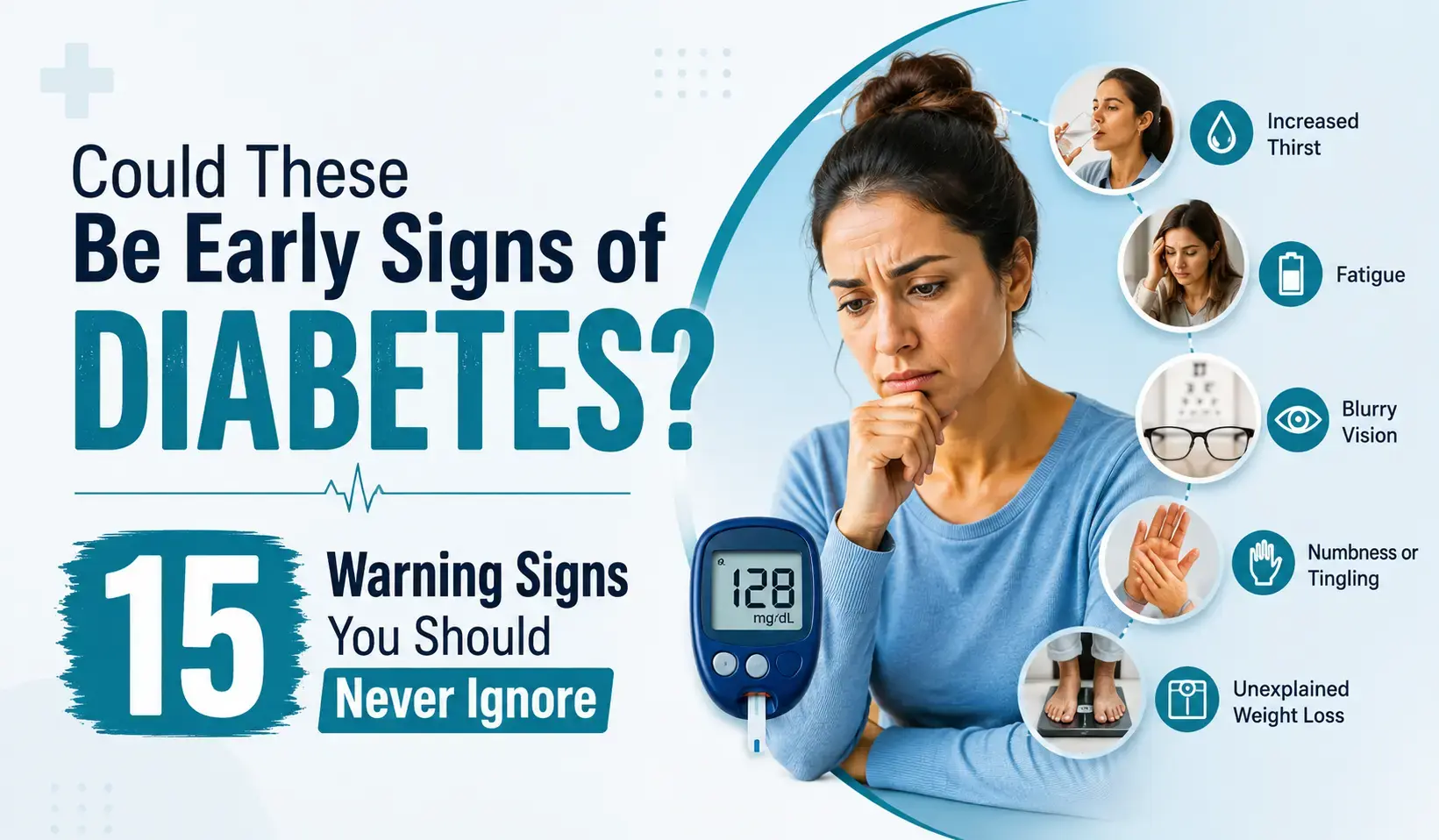
Diabetes often develops gradually, with symptoms that are easy to overlook. Discover 15 early warning signs of diabetes, understand your risk factors, and learn when to seek medical advice for timely diagnosis, better blood sugar management, and improved long-term health outcomes.
Could These Be Early Signs of Diabetes? 15 Warning Signs You Should Never Ignore
Not every health condition begins with obvious symptoms. Diabetes, in particular, can develop gradually, with early changes that seem unrelated or too minor to cause concern. A persistent feeling of tiredness, unusual thirst, changes in vision, or slower healing may appear independently, making them easy to overlook. Yet these subtle signals can provide valuable clues about what is happening inside the body.
With millions of people across India living with diabetes and many others unaware they may be at risk, recognising these warning signs has become more important than ever. Early awareness can support timely diagnosis, better blood sugar management, and improved long-term health outcomes.

Many people assume diabetes always causes obvious symptoms. In reality, the condition often develops gradually, with warning signs that can be easy to dismiss or mistake for everyday fatigue, stress, or lifestyle changes.
Before exploring the 15 warning signs in detail, it helps to understand some of the most common early indicators that healthcare professionals look for.
What Are the Early Signs of Diabetes?
The most common early signs of diabetes include frequent urination, increased thirst, unusual hunger, fatigue, blurred vision, slow-healing wounds, unexplained weight loss, and recurring infections. These symptoms often develop gradually and may be overlooked until blood sugar levels become more difficult to control.
Why Diabetes Often Goes Unnoticed
Diabetes does not always announce itself with immediately recognisable symptoms. In many cases, the condition develops gradually, with early changes appearing so subtly that they are often mistaken for everyday issues rather than signs of a blood sugar imbalance. According to the World Health Organisation, type 2 diabetes can progress for years before it is diagnosed.
Symptoms People Commonly Dismiss
The challenge with diabetes is that its early warning signs rarely feel alarming. Feeling tired after a busy week, drinking more water during hot weather, or waking up once or twice at night may not immediately seem like a health concern because these changes often develop gradually; many people attribute them to stress, ageing, poor sleep, or lifestyle habits rather than rising blood sugar levels.
In some cases, symptoms appear so subtly that they become part of a person's routine before they are ever recognised as a warning sign.
Why Early Detection Matters
Early detection matters because it can help prevent serious complications associated with diabetes. Timely diagnosis allows individuals to manage blood sugar levels more effectively and reduce the risk of long-term damage to the heart, kidneys, eyes, and nerves.
15 Warning Signs of Diabetes You Shouldn't Ignore
Diabetes indeed affects different people differently, but some warning signs appear more frequently than others. Here are some of the most common warning signs that may indicate diabetes or elevated blood sugar levels.
Common Signs Many People Notice First
Frequent Urination, Especially at Night
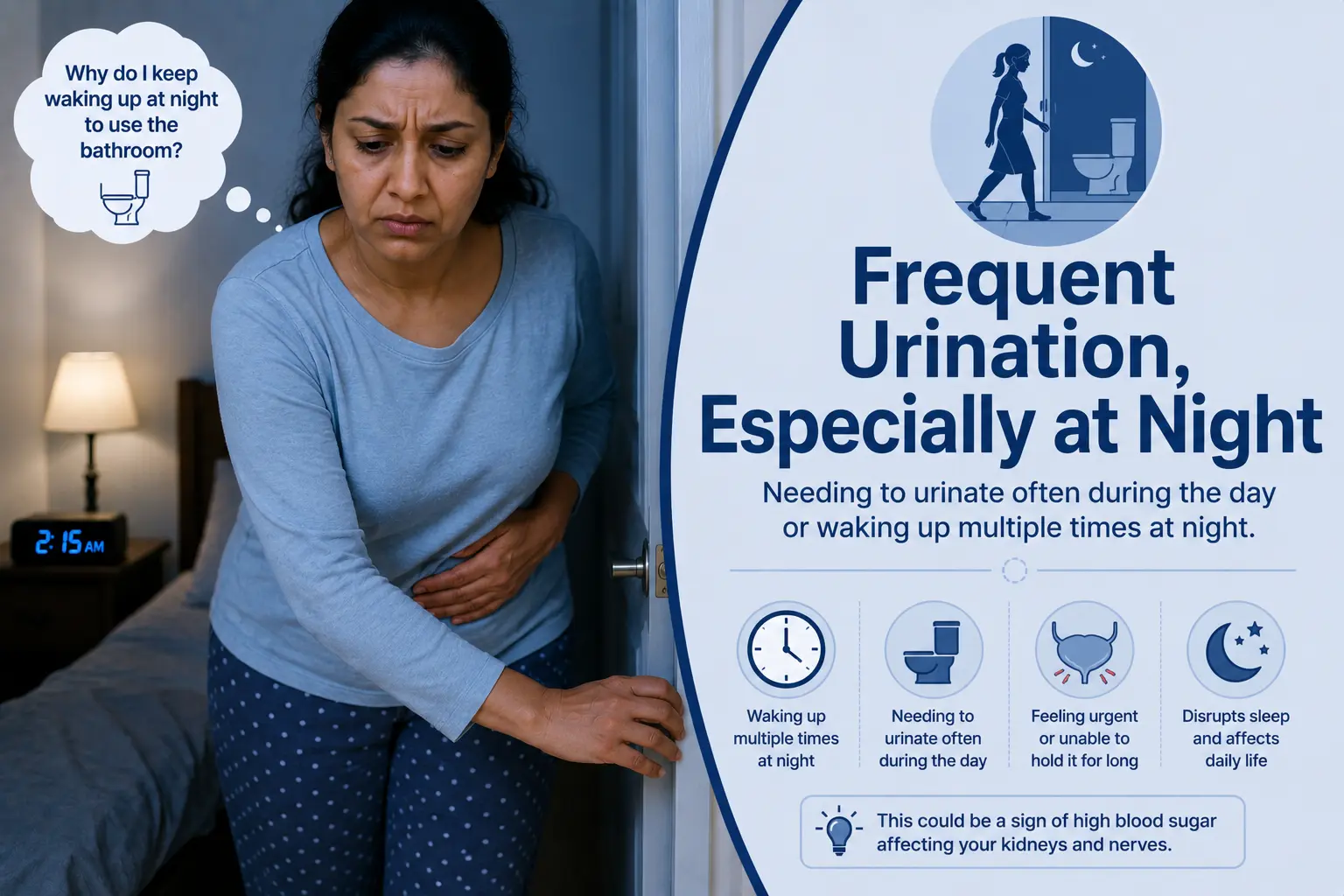
One of the earliest and most common signs of diabetes is frequent urination, particularly during the night. When blood sugar levels become too high, the kidneys work harder to remove excess glucose from the bloodstream. This process causes the body to produce more urine, leading to increased trips to the bathroom and possible disruptions in sleep. While occasional changes in urination can occur for many reasons, persistent or unexplained increases may indicate an underlying issue with blood sugar regulation. Understanding the connection between frequent urination and diabetes can help individuals recognise symptoms earlier and seek appropriate medical advice.
Feeling Thirsty More Often Than Usual

Persistent thirst is another common symptom that may be associated with diabetes. When blood sugar levels rise, the body loses more fluids through frequent urination, which can lead to dehydration and trigger ongoing feelings of thirst. Some people may find themselves drinking significantly more water than usual yet still feeling thirsty throughout the day. While thirst can increase due to factors such as hot weather or physical activity, persistent or excessive thirst may be linked to diabetes-related thirst and should not be ignored, especially when accompanied by other symptoms of high blood sugar.
Increased Hunger Despite Eating Regularly

Feeling hungry shortly after eating can sometimes be an early sign of diabetes. Normally, the body converts food into glucose and uses insulin to help that glucose enter cells, where it is used for energy. However, when insulin is not working effectively, or the body cannot produce enough of it, glucose remains in the bloodstream instead of reaching the cells. As a result, the body may continue to signal hunger even after a meal because it is not receiving the energy it needs. This persistent feeling of hunger, known as excessive hunger in diabetes, may occur alongside other symptoms such as increased thirst, frequent urination, and fatigue. If you find yourself feeling unusually hungry more often than usual despite eating regular meals, it may be worth discussing your symptoms with a healthcare professional.
Persistent Fatigue and Low Energy:

Feeling tired after a long day is normal, but persistent fatigue that does not improve with rest may sometimes be linked to diabetes. When the body cannot effectively use glucose for energy, cells may not receive the fuel they need to function properly. As a result, individuals may experience ongoing tiredness, low energy levels, reduced productivity, or difficulty carrying out daily activities. This type of fatigue can develop gradually and is often overlooked as a result of stress, poor sleep, or a busy lifestyle. However, diabetes-related fatigue is a common symptom that may occur alongside increased thirst, frequent urination, and unexplained hunger, making it important to pay attention to persistent changes in energy levels.
Unexplained Weight Loss

Unexpected weight loss without changes to your diet, exercise routine, or lifestyle can sometimes be an early sign of diabetes. When the body is unable to use glucose effectively for energy, it may begin breaking down stored fat and muscle tissue as an alternative fuel source. As a result, some individuals may notice a gradual or sudden decrease in body weight despite maintaining their usual eating habits. While weight loss can occur for many reasons, diabetes-related weight loss may be accompanied by symptoms such as increased thirst, frequent urination, fatigue, and excessive hunger. If you experience unexplained weight changes, it is important to seek medical evaluation to identify the underlying cause.
Blurred Vision

High blood sugar levels can temporarily affect the shape of the eye's lens, making it difficult to focus properly. This may cause vision to appear blurry or fluctuate throughout the day. Some people may notice difficulty reading, focusing on objects, or experiencing changes in visual clarity that come and go. Although these symptoms may improve when blood sugar levels stabilise, recurring vision changes should not be ignored. In some cases, persistently elevated blood sugar levels can affect eye health over time and increase the risk of diabetes-related vision changes and other eye complications. If you experience ongoing or worsening vision problems, it is important to consult a healthcare professional for proper evaluation and timely management.
Skin and Body Changes
Dark Patches of Skin Around the Neck or Armpits

Dark, thickened, or velvety patches of skin around the neck, armpits, groin, or other body folds can sometimes be an early sign of insulin resistance, a condition commonly associated with Type 2 diabetes. This skin condition, known as acanthosis nigricans, occurs when elevated insulin levels stimulate skin cells to grow more rapidly than normal. While these patches are usually not painful, they may become more noticeable over time and are often one of the earliest visible signs of an underlying metabolic imbalance. If you notice unexplained darkening of the skin, particularly alongside symptoms such as excessive thirst, frequent urination, fatigue, or unexplained weight changes, it may be worth seeking medical evaluation and blood sugar screening.
Dry Mouth

Dry mouth can sometimes be an overlooked symptom of diabetes. When blood sugar levels remain elevated, the body may lose more fluids through frequent urination, increasing the risk of dehydration. This can reduce saliva production and leave the mouth feeling persistently dry, sticky, or uncomfortable. Some individuals may also experience difficulty swallowing, bad breath, changes in taste, or an increased risk of oral health issues. While occasional dry mouth can occur for many reasons, ongoing dry mouth associated with diabetes may be a sign that blood sugar levels need further evaluation, particularly when it occurs alongside symptoms such as excessive thirst and frequent urination.
Itchy or Dry Skin

Skin health can sometimes be affected by elevated blood sugar levels. When the body loses excess fluids through frequent urination, it may become dehydrated, which can leave the skin feeling dry, rough, or itchy. In some cases, reduced circulation and changes in the body's ability to retain moisture may also contribute to ongoing skin irritation. While dry skin can result from weather conditions, allergies, or other common causes, persistent itchy or dry skin linked to diabetes may occur alongside symptoms such as excessive thirst, fatigue, and frequent urination. Paying attention to these changes can help identify potential health concerns at an earlier stage.
Thickened or Waxy-Looking Skin

Although less common than other symptoms, some people with diabetes may notice changes in their skin texture. The skin may appear thickened, tight, or waxy, particularly on the fingers, hands, or other areas of the body. These changes can occur when persistently elevated blood sugar levels affect the skin's structure and the body's connective tissues. While thickened skin can be associated with several medical conditions, skin changes associated with diabetes should not be overlooked, especially when they occur alongside symptoms such as frequent urination, excessive thirst, fatigue, or unexplained weight loss. Early evaluation can help identify underlying causes and support timely management.
Signs Your Body May Be Struggling to Heal and Fight Infection
Slow-Healing Cuts, Scrapes, or Wounds

The body relies on healthy blood circulation and a properly functioning immune system to repair damaged skin and tissues. When blood sugar levels remain elevated for extended periods, these processes can become less effective, making it harder for cuts, scrapes, and wounds to heal. As a result, even minor injuries may take longer than usual to recover and may be more vulnerable to infection. While delayed healing can occur for several reasons, slow wound healing in diabetes is a common concern that should not be ignored, particularly when it occurs alongside symptoms such as frequent urination, excessive thirst, fatigue, or recurring infections.
Frequent Infections

Recurring infections can sometimes be a sign that blood sugar levels are not being regulated effectively. Elevated glucose levels may weaken the body's immune response, making it more difficult to fight off bacteria, viruses, and other harmful microorganisms. As a result, some individuals may experience frequent skin infections, urinary tract infections, fungal infections, or other illnesses that return repeatedly or take longer than usual to resolve. While occasional infections are common, frequent infections associated with diabetes should not be ignored, particularly when they occur alongside symptoms such as excessive thirst, frequent urination, fatigue, or slow-healing wounds.
Recurring Gum Problems

Oral health problems can sometimes be an overlooked warning sign of diabetes. Elevated blood sugar levels may affect the body's ability to fight bacteria, increasing the risk of gum inflammation and infection. As a result, some people may experience swollen, tender, or bleeding gums, persistent bad breath, or recurring gum infections that are slow to improve. Over time, unmanaged blood sugar levels can also contribute to more serious dental and periodontal issues. While gum problems can develop for many reasons, gum disease linked to diabetes should be taken seriously, especially when accompanied by symptoms such as excessive thirst, frequent urination, fatigue, or slow-healing wounds.
Changes That May Affect the Nerves and Mental Clarity
Tingling or Numbness in the Hands or Feet

A persistent tingling, burning, or numb sensation in the hands or feet can sometimes be linked to diabetes. When blood sugar levels remain elevated over time, they may affect the nerves that carry signals throughout the body. This condition, often referred to as diabetic nerve damage, can cause symptoms such as pins-and-needles sensations, reduced sensitivity, or discomfort in the extremities. These changes may develop gradually and are sometimes mistaken for poor circulation or temporary nerve compression. If tingling or numbness occurs regularly, particularly alongside other symptoms such as excessive thirst, frequent urination, fatigue, or unexplained weight loss, it is important to seek medical evaluation.
Difficulty Concentrating or Brain Fog

Blood sugar fluctuations can sometimes affect mental clarity, making it harder to focus, remember information, or complete everyday tasks efficiently. Some people describe this feeling as brain fog associated with diabetes, where thinking may feel slower, concentration becomes difficult, and mental fatigue increases throughout the day. These symptoms can occur when the brain does not receive a steady supply of glucose, its primary source of energy. While occasional difficulty concentrating can result from stress, poor sleep, or other factors, persistent brain fog accompanied by symptoms such as excessive thirst, frequent urination, fatigue, or unexplained weight loss may warrant further medical evaluation.
Are You at Risk of Developing Diabetes?
Not everyone who develops diabetes experiences the same symptoms or level of risk. While certain lifestyle habits can increase the likelihood of developing the condition, factors such as family history, age, and underlying health conditions also play an important role. Understanding these risk factors can help you decide whether it's time to be more proactive about screening and prevention.
Lifestyle and Family History
Certain risk factors cannot be changed, while others are closely linked to daily habits. Having a parent or sibling with diabetes may increase your risk, as can getting older. Lifestyle factors such as carrying excess weight, being physically inactive, smoking, or following an unhealthy diet can also contribute to the development of Type 2 diabetes over time.
Conditions That Increase Your Risk
Some medical conditions are associated with a higher likelihood of developing diabetes.
These include:
Prediabetes
High blood pressure
Polycystic Ovary Syndrome (PCOS)
High cholesterol levels
A history of gestational diabetes during pregnancy
Heart disease or other metabolic conditions
If you have one or more of these conditions, regular blood sugar screening may help identify potential concerns at an earlier stage.
When Should You Get Tested?
Recognising the symptoms is only the first step. If you notice multiple warning signs, have a family history of diabetes, or belong to a higher-risk group, getting tested can help provide clarity before complications develop. Early screening can help healthcare providers identify blood sugar abnormalities, assess diabetes risk, and recommend appropriate treatment or lifestyle modifications. Accurate diagnosis allows individuals to take informed steps towards managing their long-term health.
At Shri KVM Super Speciality Hospital, timely diabetes screening and evaluation can help individuals better understand their risk and take informed steps toward protecting their long-term health.
Signs That Warrant a Blood Sugar Check
Consider speaking with a healthcare professional if you experience several diabetes symptoms at the same time, particularly increased thirst, frequent urination, fatigue, or unexplained weight loss. Testing may also be advisable if symptoms persist for several weeks, you have a family history of diabetes, or you have been diagnosed with conditions such as prediabetes, PCOS, or high blood pressure.
Common Tests Your Doctor May Recommend
Depending on your symptoms and medical history, your doctor may recommend one or more tests to evaluate your blood sugar levels, including:
Fasting Blood Sugar (FBS): Measures blood glucose after an overnight fast.
HbA1c Test: Provides an average of your blood sugar levels over the previous two to three months.
Oral Glucose Tolerance Test (OGTT): Assesses how your body processes glucose over a set period.
Random Blood Sugar Test: Measures blood sugar at any time of the day and may be used alongside other diagnostic tests.
The Earlier You Act, the Better the Outcome
A diabetes diagnosis is not always a sign that serious complications are inevitable. In many cases, identifying the condition early creates an opportunity to take meaningful action before long-term health problems develop.
Simple changes such as improving eating habits, increasing physical activity, maintaining a healthy weight, and following medical advice can help manage blood sugar levels more effectively. For some individuals with prediabetes and insulin resistance, early intervention may even help delay or prevent the progression to Type 2 diabetes. The sooner potential warning signs are recognised and addressed, the greater the opportunity to protect overall health and well-being.
Frequently Asked Questions:
Can You Have Diabetes Without Any Symptoms?
Yes. Many people, particularly those with Type 2 diabetes or prediabetes, may have no noticeable symptoms in the early stages. This is why regular health check-ups and blood sugar screening are important, especially for individuals with risk factors such as family history, obesity, or high blood pressure.
Are the Early Signs of Diabetes the Same in Men and Women?
Many symptoms, such as increased thirst, frequent urination, fatigue, and blurred vision, are common in both men and women. However, women may be more likely to experience recurring yeast infections, urinary tract infections, or symptoms related to pregnancy-related diabetes.
Can Prediabetes Be Reversed?
In many cases, prediabetes can be managed and even reversed through lifestyle changes. Maintaining a healthy weight, following a balanced diet, increasing physical activity, and managing other risk factors can help bring blood sugar levels back into a healthier range.
Is Feeling Tired Always a Sign of Diabetes?
Not necessarily. Fatigue can result from many causes, including stress, poor sleep, anaemia, thyroid disorders, and other health conditions. However, persistent tiredness combined with symptoms such as excessive thirst, frequent urination, or unexplained weight loss should be evaluated by a healthcare professional.
Where can I get a diabetes test in Rohtak?
Individuals concerned about diabetes can consult a healthcare professional and undergo blood sugar screening at Shri KVM Super Speciality Hospital in Rohtak for timely evaluation and guidance.
Take Your First Step Towards Better Health
If you are noticing more than one early sign of diabetes, such as increased thirst, frequent urination, fatigue, or slow healing of wounds, a blood sugar test is recommended. Early screening helps identify the condition at a manageable stage. At Shri KVM Super Speciality Hospital, you can consult experienced specialists, undergo advanced diagnostic testing, and receive personalised guidance to better understand and manage your diabetes risk.